A bathroom remodel can be a transformative project that enhances the functionality and aesthetics of your home. By understanding the various stages, challenges, and considerations involved, you can approach the process with confidence. Collaborating with experienced professionals, planning meticulously, and maintaining open communication will ensure a successful and satisfying bathroom remodeling experience. However, it’s crucial to be prepared for the process and understand what to expect. Here are some insights into what you can anticipate during a bathroom remodel.
Planning and Design
The first step in any successful bathroom remodel is careful planning and design. This phase involves evaluating your needs, setting a budget, and determining the scope of the project. Collaborating with an experienced contractor or designer is essential during this stage, as they can help you create a functional and aesthetically pleasing design that aligns with your vision.
Demolition and Preparation
Once the design is finalized, the next phase is demolition and preparation. This involves removing existing fixtures, such as the bathtub, sink, toilet, and tiles. Expect some dust, noise, and disruption during this process. It’s crucial to protect surrounding areas from damage and to disconnect any electrical or plumbing connections safely.
Construction and Installation
After demolition, the construction phase begins. This includes installing new plumbing, electrical work, drywall, flooring, and cabinetry. Depending on the complexity of the project, this stage can take several weeks to complete. It’s important to have a clear timeline and regular communication with your contractor to stay informed about the progress.
Dealing with Unexpected Challenges
During a bathroom remodel, it’s not uncommon to encounter unexpected challenges or issues that were not apparent during the planning phase. These can range from plumbing or electrical complications to structural problems. It’s essential to remain flexible and allow some leeway in your budget and timeline to accommodate any unforeseen circumstances. Working closely with your contractor and maintaining open communication will help address these challenges effectively.
Temporary Inconvenience
It’s important to acknowledge that a bathroom remodel can cause temporary inconvenience in your daily life. Depending on the scope of the project, you may need to find alternative bathroom arrangements during the construction phase. It’s a good idea to plan this in advance, whether it’s using a different bathroom in your home or making arrangements with neighbors or friends. Understanding and accepting this temporary inconvenience will help you manage your expectations throughout the remodel.
Finishing Touches
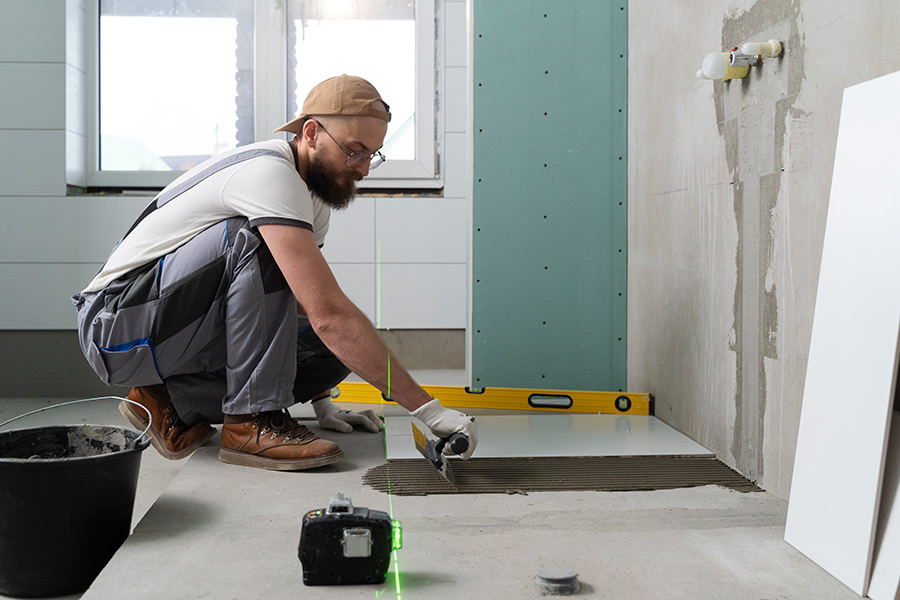
As the construction nears completion, it’s time to focus on the finishing touches that will give your bathroom its final polish. This involves painting, tiling, installing fixtures, and adding accessories like mirrors, towel racks, and lighting. Take this opportunity to pay attention to detail and ensure that everything is in place to create a cohesive and beautiful space.
Completion and Clean-up
Once the remodeling work is finished, it’s time to inspect the newly renovated bathroom and address any remaining issues or touch-ups. Your contractor will guide you through this final walkthrough, and upon your satisfaction, they will conduct a thorough clean-up, leaving your bathroom ready to be enjoyed.
Ongoing Maintenance
It’s important to establish a regular maintenance routine to keep your newly renovated space in top condition. This includes cleaning and inspecting fixtures, checking for any signs of leaks or damage, and addressing issues promptly. Regular maintenance will not only prolong the life of your bathroom but also prevent any costly repairs down the line.