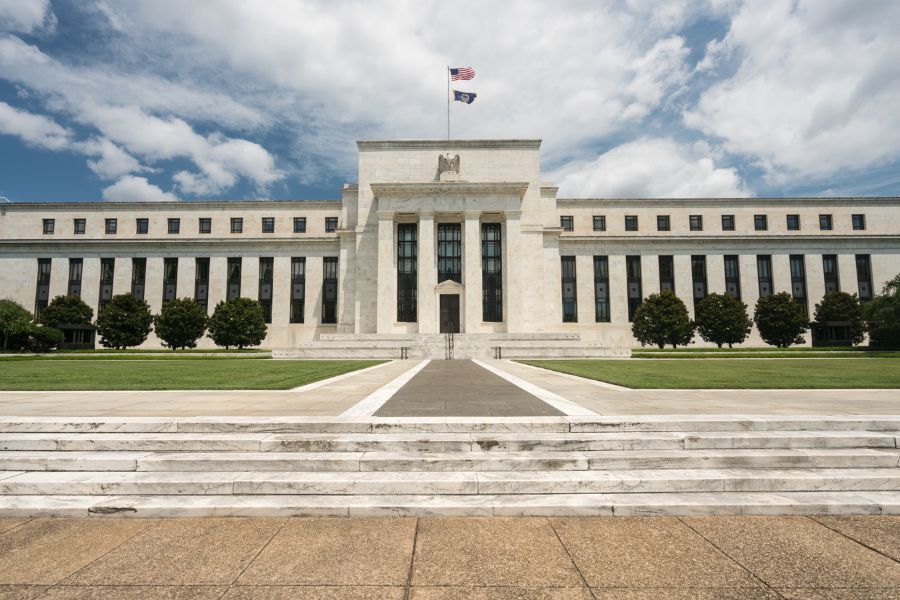
When interest rates rise, managing personal debt can become increasingly challenging. Higher rates can lead to more expensive loan payments, higher credit card interest, and tighter budgets. However, with the right strategies, you can stay ahead of these financial challenges and protect your financial health. In this guide, we’ll explore effective ways to manage personal debt during periods of rising interest rates.
Strategies for High-Interest Debt
High-interest debt, such as credit card balances, can quickly become a burden when interest rates rise. Start by focusing on paying down accounts with the highest interest rates, as these accumulate the most costly interest over time. Debt consolidation can also be an effective way to manage multiple accounts. By combining debts into a single payment, you may secure a lower interest rate, saving money in the long run. Increasing monthly payments above the minimum required can reduce the overall balance more quickly, limiting the impact of compounding interest. Finally, avoid taking on new debt unless absolutely necessary, as borrowing becomes more expensive during periods of high rates.
Refinancing Options During Rising Rates
Refinancing your existing loans can be a viable strategy to manage debt even as rates rise. For homeowners, refinancing your mortgage into a fixed-rate loan can provide stability and predictable monthly payments. Additionally, a cash-out refinance can help you consolidate higher-interest debts, such as credit card balances, into a lower-rate loan secured by your home. For borrowers with variable-rate loans, switching to a fixed-rate loan could protect you from further rate increases. Exploring home equity lines of credit (HELOCs) or home equity loans can also provide a flexible option to pay off high-interest debts. Always compare offers from multiple lenders to secure the best terms.
Budgeting Tips When Interest Rates Increase
Creating a thoughtful budget is critical when interest rates rise. Begin by tracking all your expenses to identify unnecessary spending, such as dining out or subscription services you no longer use. Redirect these savings toward paying off debt or building an emergency fund, which can act as a safety net in case of unexpected financial challenges. Adjust your discretionary spending to prioritize debt payments and reduce the strain of higher interest costs. If possible, consider finding ways to increase your income, such as taking on freelance work or a side hustle. These additional funds can help you stay ahead of rising payments.
Impact of Interest Rate Hikes on Mortgages
Rising interest rates have a direct effect on mortgages, especially for homeowners with adjustable-rate mortgages (ARMs). Monthly payments may increase significantly as rates adjust upward. Refinancing into a fixed-rate loan can provide security against these fluctuations. If you’re planning to buy a home, rising rates may impact affordability, so it’s important to lock in a rate early to avoid higher costs. For current homeowners, paying extra toward the principal can reduce the overall interest paid over the life of the loan, making this an effective long-term strategy to mitigate the impact of rising rates.
Managing Credit Card Debt with Higher Interest Rates
Credit card debt becomes particularly challenging to manage when rates rise, as interest can accumulate quickly. One way to alleviate this burden is by negotiating with your credit card issuer to lower your interest rate. Many companies are willing to work with customers who have a good payment history. If you receive a financial windfall, such as a tax refund or bonus, prioritize using these funds to pay off your credit card debt. Small, consistent efforts to lower your balance can make a significant difference over time.
Rising interest rates don’t have to derail your financial goals. By focusing on strategies to manage high-interest debt, refinancing where appropriate, and creating a smart budget, you can navigate these challenges with confidence. Whether it’s adjusting your mortgage approach, tackling credit card balances, or refining your spending habits, proactive steps will help you maintain control over your finances.
The key to success lies in consistency and forward planning. If you’re feeling overwhelmed, consider working with a financial advisor who can guide you through these changes and help you develop a plan tailored to your needs. Managing personal debt effectively will not only ease your financial stress but also position you for long-term financial success, even in a rising interest rate environment.