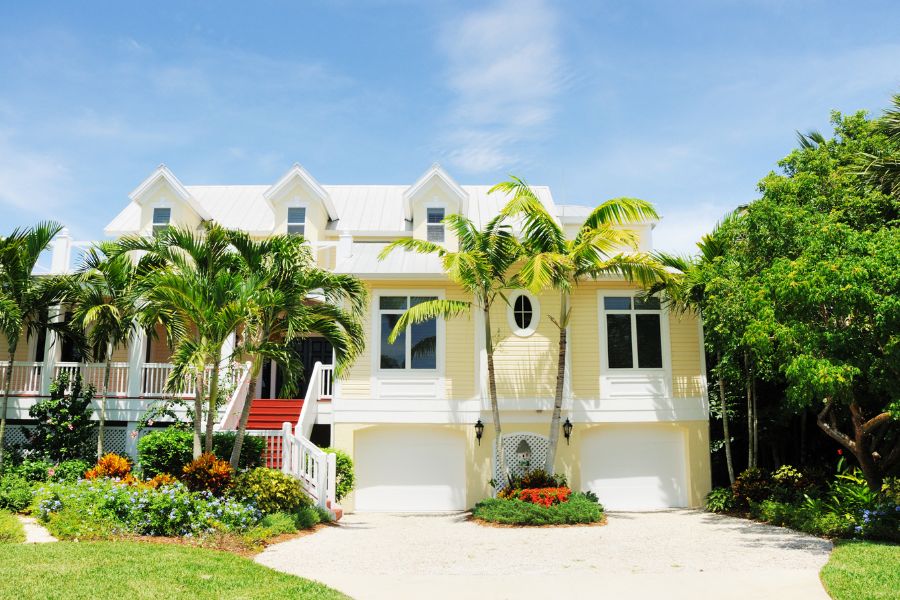
Buying a second home or vacation property may sound like a dream, but in 2025, it’s not a decision to take lightly. With rising costs, evolving tax laws, and stricter lending standards, there’s a lot more to weigh than just finding the perfect place on the lake or near the slopes. Whether you’re looking at a short-term rental investment, a retirement home, or a weekend getaway, understanding the good, bad, and ugly sides of the process can help you make an informed move.
The Good: Building Long-Term Value and Enjoyment
Second homes often serve multiple purposes, they can be future retirement properties, family gathering places, or income-producing assets. In areas like Texas, second home purchases are increasing, especially in markets with relatively low property taxes and competitive Texas home mortgage rates .
If you’re buying in cash, or have a strong equity position in your primary home, the process can be faster and less stressful. Working with a reliable mortgage company or mortgage loan broker also gives you access to tailored products for second homes. Some buyers can even access financing options with lower down payments if the property qualifies as a true second home, not an investment rental.
The Bad: Financing a Second Home Is Tougher Than It Looks
Lending standards are more strict for second homes than primary residences. You’ll likely need at least 10% down, sometimes more depending on credit, and lenders expect a stronger financial profile. Many buyers are surprised to find that loan mortgage companies require additional reserves (savings after closing) when underwriting second-home mortgages.
Second mortgage rates are typically higher than rates on primary residences, which can catch people off guard when comparing payment estimates. Additionally, if you’re planning to rent the property out, that could push your loan into investment property territory, which comes with even higher rates and down payment requirements.
If you’re not clear on the intended use of the property, it’s critical to communicate that upfront with your lender. A mortgage loan broker near me may offer more flexibility than a large bank, especially when navigating the gray areas between second homes and investment properties.
The Ugly: Hidden Costs and Market Risks
The real trouble starts when buyers don’t plan for everything. Second homes come with duplicate expenses, insurance, property taxes, repairs, utilities, and in some cases, HOA dues. You may also face higher homeowners insurance rates, especially in high-risk zones like coastal areas or wildfire-prone regions.
In markets like Austin or San Antonio, Texas home mortgage rates can vary based on lender, property type, and location risk factors. If you’re buying in a competitive vacation market that has seen a recent price boom, your property value might be vulnerable in a correction. Over the past year, several Texas counties have seen modest softening in second home markets, and what looked like a great investment in 2022 might feel overpriced today.
Another consideration: tax law changes. Depending on how much time you spend at the property versus renting it out, your ability to deduct mortgage interest and property taxes could be limited.
Final Thoughts
Buying a second home or vacation property is more than just a lifestyle decision, it’s a financial commitment that requires careful planning. If you understand the realities of second mortgage rates, work with a seasoned mortgage company or loan mortgage company, and account for the full cost of ownership, it can still be a worthwhile move. But skipping the research and rushing in based on emotion is where things can get ugly fast.
If you’re exploring this path, ask smart questions and work with a mortgage loan broker near you who can walk you through all your options. Whether you’re buying in Texas or beyond, every market comes with its own risks, and the right guidance makes all the difference.