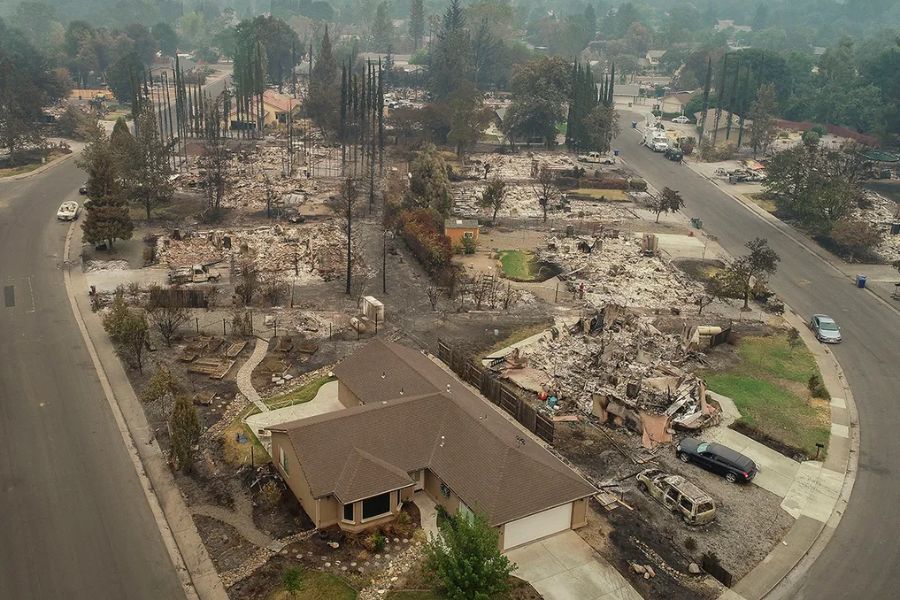
It has been years since the Carr Fire reshaped the landscape west of Redding, but the financial ripple effects are still very much alive in the local housing market. Buyers shopping in Keswick, Old Shasta, Shasta, French Gulch, and the western edges of Redding are discovering that getting a mortgage on a home near the burn scar comes with layers most lenders never have to think about. Insurance carriers have tightened their underwriting, appraisers are scrutinizing fire risk more carefully, and certain loan programs apply rules that catch buyers off guard at the worst possible moment. If you are planning to purchase a home in or near a Shasta County fire-affected zone in 2026, understanding how financing actually works in these areas can save you thousands of dollars and weeks of stress.
Why Homes Near the Carr Fire Burn Scar Are Treated Differently by Lenders in 2026
Lenders evaluate risk on every loan, but properties near burn scars in Shasta County trigger an additional layer of caution that most buyers do not anticipate. Underwriters now look at fire history, defensible space, water source reliability, road access, and proximity to vegetation regrowth zones because all of these factors influence whether a property can be insured and whether its long-term value is stable. In areas like Keswick and Old Shasta, where some parcels burned and were rebuilt while neighboring parcels were left as raw land, lenders sometimes treat two homes on the same street very differently based on what surrounds them. This is not personal, and it is not arbitrary. It reflects how the secondary mortgage market and federal loan programs have adjusted to wildfire exposure across Northern California.
The other piece buyers often miss is that lenders now pay attention to the insurance market before they pay attention to the borrower. If a property cannot secure a standard homeowners insurance policy, the loan cannot close, even if the buyer is fully qualified on income, credit, and assets. That makes insurance the first domino in a fire-zone purchase, not the last. Working with a mortgage advisor who understands this sequence is the difference between a smooth close and a deal that falls apart two weeks before signing. As a Redding mortgage lender who has guided many buyers through fire-impacted purchases, Chris Lamm tends to flag these risks at preapproval rather than waiting for them to surface mid-escrow.
How Homeowners Insurance Has Changed for Redding Properties Near Fire Zones
The California insurance market has been one of the most volatile in the country over the last several years, and Shasta County has felt it acutely. Major carriers including State Farm, Allstate, and Farmers have all reduced new policy issuance in high fire risk zones, and some have stopped writing in certain Redding ZIP codes entirely. The FAIR Plan has become the fallback for thousands of Northern California homeowners who cannot find coverage in the standard market. The FAIR Plan covers fire only, which means buyers usually need a companion policy to cover liability, theft, and water damage, and the total cost can be two or three times what insurance ran in 2018.
For buyers, this matters because lenders require evidence of bindable insurance well before closing, often during the loan conditions phase. If you wait until the last week of escrow to shop for insurance on a Keswick property, you may discover that no carrier will write a new policy, or that the premium is so high it pushes your debt to income ratio out of qualifying range. Smart buyers in fire-affected areas now request insurance quotes during the offer phase, sometimes even before submitting an offer, so they understand the real monthly cost of ownership. The California Department of Insurance offers a Home Insurance Finder tool that can help buyers identify carriers still writing in their area.
How Appraisers Evaluate Fire Risk on Properties Near the Carr Fire Burn Scar
Appraisals on homes near burn scars have become more detailed than they were a decade ago, and buyers should know what to expect when an appraiser walks the property. Appraisers now document defensible space, roofing material, vent screening, deck construction, and proximity to vegetation, and many include photographs of these features in the report. They also consider whether comparable sales used to support value were themselves located in fire-affected zones, because pulling comparables from a lower-risk area can distort the analysis. In neighborhoods like west Redding and the Shasta community, this means the appraised value may come in lower than expected if recent sales reflect fire-related discounts.
The appraiser is not making an insurance decision, but their findings can influence whether the lender requires additional repairs or risk mitigation before closing. For example, if an appraisal notes that vegetation is within five feet of the structure or that the roof is wood shake, the lender may require remediation before funding. This is especially common with FHA and VA loans, which apply their own minimum property standards on top of conventional underwriting. If you are using an FHA loan in Redding or a VA loan to purchase a fire-zone property, expect the appraiser to look more carefully at items that would be cosmetic notes elsewhere.
What FHA, VA, USDA, and Conventional Loans Allow in Shasta County Fire Zones
Each loan program treats fire-impacted properties slightly differently, and understanding these differences before you make an offer can save you from choosing the wrong financing tool. FHA loans apply strict minimum property requirements, which means peeling paint, exposed wiring, unfinished rebuilds, or missing handrails can all derail a transaction. VA loans similarly require the property to meet minimum property requirements, and VA appraisers are often more thorough than conventional appraisers on safety items. Conventional loans through Fannie Mae and Freddie Mac offer more flexibility on cosmetic and minor repair issues, which sometimes makes them the better fit for partially rebuilt or older homes in fire-affected areas.
USDA loans deserve a special mention because much of the area surrounding the Carr Fire burn scar falls within USDA-eligible rural zones. A buyer purchasing in parts of Igo, Ono, French Gulch, or outer Shasta may qualify for USDA financing in Redding with zero down payment, but USDA also requires the home to meet specific condition standards. For rebuilt homes or homes where construction was completed under a fire rebuild permit, documentation matters, and the lender will want to see permits, certificates of occupancy, and sometimes engineering reports. If you are exploring whether a property in a rural fire zone qualifies, reviewing all available loan programs early helps clarify which option fits your situation best.
How to Structure a Mortgage When Insurance Premiums Are Higher Than Expected
One of the most common surprises for buyers in Shasta County fire zones is opening their insurance quote and realizing the annual premium is two or three times what they budgeted. This directly impacts the monthly mortgage payment because lenders escrow insurance alongside taxes, and a higher premium raises the total monthly obligation that underwriters compare to your income. If your debt to income ratio was already on the edge, a higher insurance premium can push you out of qualifying range for the loan amount you planned. The fix is not always lowering the purchase price, but it might involve adjusting the down payment, choosing a different loan structure, or shopping insurance more aggressively before locking in financing.
Some buyers in fire-affected areas successfully use a two policy strategy, pairing a FAIR Plan dwelling fire policy with a difference in conditions policy that covers everything else. This approach can sometimes reduce total annual cost compared to a single high-risk carrier policy, and lenders generally accept this combination if both policies are properly structured. Buyers should also explore whether buying down the rate or adjusting loan term changes the monthly equation in their favor. A mortgage advisor who understands how to model these tradeoffs is more valuable than one who simply quotes a rate, which is why working with someone familiar with Shasta County fire zone realities matters so much. If you want a sense of where rates are sitting before you start running scenarios, current Redding mortgage rates are a useful starting point.
What Buyers Should Ask Before Making an Offer on a Home Near the Carr Fire Burn Scar
Before you submit an offer on a property in or near a fire-affected area, there are specific questions worth answering up front to avoid expensive surprises later. Ask the seller or listing agent for the property’s CAL FIRE hazard severity zone designation, which can be looked up through the official CAL FIRE Fire Hazard Severity Zone resource page. Request prior insurance information if available, including the previous carrier and premium, because this helps insurance shopping move faster. Also ask whether the home was rebuilt after 2018, and if so, request copies of permits, the certificate of occupancy, and any defensible space inspection reports.
Inside the home, look for indicators that the property has been hardened against fire, such as ember resistant vents, Class A roofing, enclosed eaves, and noncombustible siding. These features matter for insurance carriers and may qualify the home for premium discounts under California’s Safer from Wildfires regulations. Outside, evaluate the surrounding terrain, the slope of the property, and the density of nearby vegetation, because these factors influence both insurance rates and resale value. None of these questions need to be intimidating, and a knowledgeable mortgage advisor in Redding CA can help walk you through what to look for during your initial property visits.
Frequently Asked Questions About Buying a Home Near the Carr Fire Burn Scar
Can You Still Get a Mortgage on a Home in a High Fire Hazard Zone in Shasta County
Yes, mortgages are still available on properties in high fire hazard zones throughout Shasta County, including areas affected by the Carr Fire. The key requirement is securing a bindable homeowners insurance policy that meets lender minimums, which has become more challenging but is still achievable in most cases. Borrowers should expect a slightly longer timeline, more documentation, and the possibility of higher insurance premiums affecting their qualifying ratios. Working with a lender experienced in Northern California fire zones helps avoid common pitfalls that delay or derail closings.
Does the Carr Fire Burn Scar Affect Property Values in West Redding and Keswick
Property values in the burn scar area have recovered unevenly, with some neighborhoods rebounding fully while others continue to reflect fire-related discounts. Homes that have been rebuilt to modern wildfire codes often sell at or above pre-fire values, while parcels with visible fire damage or limited rebuilding nearby may sell at a discount. Appraisers consider this carefully when selecting comparable sales, which can affect how much a lender is willing to finance. Buyers should review recent sales data with their real estate agent and discuss appraisal expectations with their lender before making an offer.
What Is the California FAIR Plan and How Does It Work for Redding Buyers
The California FAIR Plan is the state’s insurer of last resort, designed for property owners who cannot find coverage in the standard market. It provides basic fire insurance but does not cover liability, theft, or water damage, which means most buyers need a companion policy to fully protect the property and satisfy lender requirements. The FAIR Plan has become the primary insurance option for many homeowners in high fire hazard areas of Shasta County. Premiums vary widely based on property characteristics, defensible space, and home hardening features.
How Long Does It Take to Get Insurance Quotes for a Home Near a Burn Scar
Insurance quotes for fire-zone properties typically take longer than standard quotes, sometimes ranging from a few days to two or three weeks depending on the carrier and property complexity. FAIR Plan applications often move faster, but companion policies for liability and broader coverage can take additional time to bind. Buyers should request quotes as early in the offer process as possible, ideally before submitting an offer or during the inspection contingency period. Starting late is one of the most common reasons fire-zone purchases fall out of escrow.
Can You Use an FHA Loan to Buy a Rebuilt Home in the Carr Fire Burn Scar Area
Yes, FHA loans can be used to purchase rebuilt homes in the burn scar area, provided the home meets FHA minimum property standards and the buyer can secure compliant homeowners insurance. The appraiser will document the property’s condition and may require minor repairs before closing if safety or habitability issues are present. Rebuilt homes often perform well on FHA appraisals because they reflect current building codes and fire-resistant construction. Buyers should request final certificates of occupancy and any inspection records from the seller to streamline underwriting.
Working With a Local Mortgage Advisor Who Understands Shasta County Fire Zone Lending
Buying a home near the Carr Fire burn scar is absolutely doable in 2026, but it requires a lender who understands how insurance, appraisals, loan programs, and Shasta County geography intersect. The buyers who navigate these purchases successfully are the ones who start the conversation early, ask the right questions, and build their financing strategy around the unique realities of fire-affected properties. Chris Lamm and the team at Team Lamm | MortgageOne, Inc. have helped many local buyers structure mortgages on properties in Keswick, Old Shasta, west Redding, and the surrounding communities, and the goal is always to give buyers clarity before they fall in love with a property that might not pencil out. If you are considering a purchase in or near a fire-affected area, reach out to Chris at 530-282-1166 or stop by the office at 970 Executive Way in Redding to map out a strategy that fits your situation.