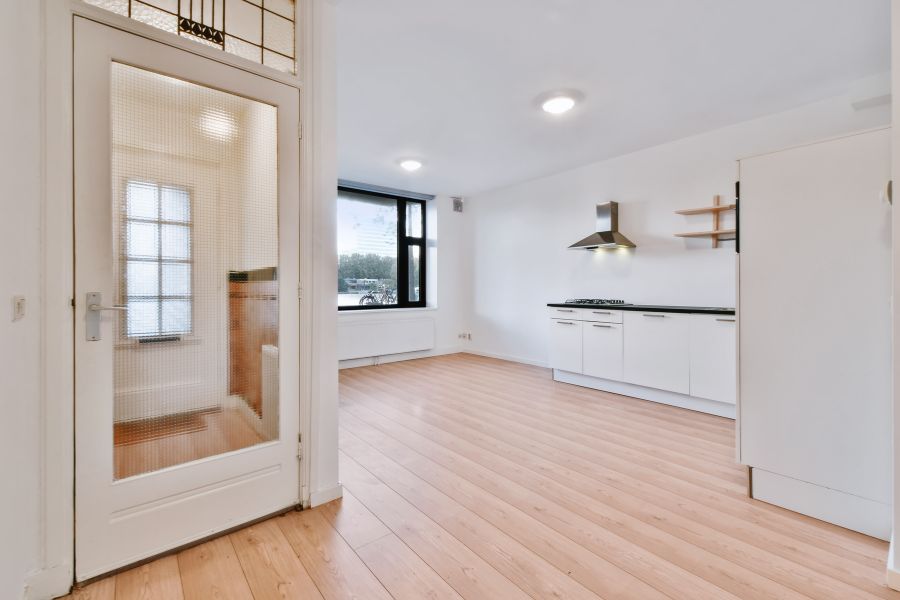
Accessory dwelling units have quietly become one of the most interesting financial moves a Redding homeowner can make in 2026. California has spent the last several years passing legislation that strips away the barriers cities used to put up around ADUs, and Shasta County homeowners are starting to realize that the backyard space they once thought of as just a yard might be sitting on serious untapped value. Whether you are picturing a rental income stream, a detached office, a guest house for aging parents, or a future retirement home where your current house becomes the rental, financing the build is where most projects either come to life or fall apart. Understanding how lenders evaluate ADU projects, and which loan structure fits your situation, is the difference between a smooth construction process and a stalled dream that drains your savings.
Why ADUs Have Become a Smart Financial Strategy for Redding and Shasta County Homeowners
ADUs are no longer a niche idea reserved for dense urban neighborhoods in San Francisco or Los Angeles. California state law now requires local jurisdictions to allow ADUs on most single family residential lots, and Shasta County and the City of Redding have updated their codes to comply with these mandates. The financial logic behind building one is straightforward: you take underutilized land you already own, add a livable structure, and create either rental income or housing flexibility that increases the long-term value of your property. For homeowners in Redding, Anderson, Palo Cedro, and Cottonwood where lot sizes tend to be generous, this opportunity is especially compelling.
The rental market in Redding has tightened considerably over the last several years, and a well built detached ADU can generate meaningful monthly income that offsets your mortgage payment or accelerates other financial goals. Beyond pure income, ADUs offer multigenerational housing solutions for families navigating the cost of senior living or the return of adult children. The challenge is that ADUs are not cheap to build, with detached units in Northern California often running between $200,000 and $400,000 depending on size, finishes, and site conditions. That price tag is exactly why financing strategy matters so much, and why working with a Redding mortgage lender who understands construction-related loan products from the beginning can save you significant time and money.
Using a Cash-Out Refinance to Fund Your Shasta County ADU Build
A cash-out refinance is one of the most common ways Redding homeowners fund ADU construction, particularly when they have built up substantial equity in their primary residence. The basic structure replaces your current mortgage with a new, larger one and gives you the difference in cash at closing. If your home is worth $600,000 and you owe $300,000, a cash-out refinance up to 80 percent loan-to-value could potentially put around $180,000 in your pocket before closing costs. That cash can fund a modest ADU build outright or serve as a substantial portion of a larger project.
The advantages of this approach are significant when interest rates are favorable. You get a single fixed rate mortgage, a predictable monthly payment, and the funds are yours to spend on construction as needed without the bank dictating the timeline. The downside is that you are extending your loan term and resetting your amortization schedule, which can add interest cost over the life of the loan if you are not strategic. Cash-out refinances also require strong credit, stable income, and enough equity to make the numbers work, so this option is best suited for homeowners who have owned their property for several years. For current pricing context, checking Redding mortgage rates before committing to a refinance helps you understand what your new payment will actually look like. You can also learn more about home loan refinancing options and how they apply to construction goals.
Construction-to-Permanent Loans for Detached ADU Projects in Redding
A construction-to-permanent loan is a specialized product designed for situations exactly like an ADU build. The lender funds construction in draws, meaning money is released to the builder at specific milestones such as foundation pour, framing complete, drywall finished, and final inspection. Once construction is complete, the loan automatically converts to a standard permanent mortgage without requiring a second closing. This streamlined structure saves on closing costs and reduces the administrative burden of managing two separate loans.
These loans are more complex to qualify for because the lender is essentially betting on a property that does not yet exist. Underwriters review the construction plans, the builder’s credentials, the appraisal of the future completed property, and your ability to carry the loan during the construction phase when payments may be interest-only. For Shasta County homeowners pursuing detached ADUs, this product can be powerful when the build is substantial and you need committed financing from day one. The catch is that not all lenders offer construction-to-permanent products for ADUs specifically, and the appraisal process for a not-yet-built secondary structure requires an appraiser experienced with ADU valuations. Discussing your situation with a mortgage advisor in Redding CA early in the planning phase helps you determine whether this product fits your timeline and budget.
Using a 203(k) Rehab Loan or HomeStyle Renovation Loan for ADU Conversions
Renovation loans like the FHA 203(k) and the Fannie Mae HomeStyle program are designed to roll the cost of property improvements into a single mortgage. These products are most commonly used by buyers purchasing fixer-upper homes, but they can also be used by current homeowners refinancing to fund significant improvements. For ADU projects, these loans get interesting when the work involves converting an existing structure, such as a detached garage or a basement, rather than building from the ground up. The renovation loan funds the conversion costs alongside the existing mortgage balance, all wrapped into one payment.
The HomeStyle program tends to be more flexible than the 203(k) for ADU work because it has fewer restrictions on the type of improvements allowed. The 203(k) is administered through FHA guidelines and requires HUD-approved consultants for larger projects, which adds complexity and time. Both products require detailed contractor bids, plans, and inspections at each phase, and the funds are held in escrow and released as work progresses. These loans tend to work best for ADU projects in the $50,000 to $200,000 range and for conversions rather than ground-up detached builds. If you are exploring this route, the 203(k) rehab loan and other loan programs Chris Lamm offers can be compared side by side to find the right fit for your specific project scope.
How Lenders Evaluate Projected ADU Rental Income During Underwriting
One of the most common questions ADU-curious homeowners ask is whether the future rental income from the ADU can be used to help them qualify for the loan that funds it. The answer is nuanced and depends heavily on the loan program. Conventional loans generally allow lenders to count a portion of projected rental income, typically 75 percent of the appraiser’s market rent estimate, but this usually requires the property to be considered a two-unit property under loan guidelines. For ADUs that are clearly secondary and detached, the rules can be more restrictive, and not all lenders apply the same approach.
For homeowners pursuing investment-property style financing or non-traditional approaches, a Debt Service Coverage Ratio loan or a non-QM product may allow more aggressive use of projected rental income. These loans focus less on the borrower’s personal income and more on whether the property’s expected cash flow can support the debt service. This can be a valuable strategy for self-employed Redding homeowners or real estate investors who want to build an ADU specifically as a rental investment. Reviewing non-traditional mortgage options early in the planning process can reveal flexibility that conventional financing does not offer. A knowledgeable lender can model out multiple scenarios so you understand how rental income assumptions affect your borrowing capacity.
Shasta County and City of Redding ADU Permitting Realities That Affect Financing
Permitting is the part of ADU projects that most homeowners underestimate, and it directly affects financing in ways that catch borrowers off guard. The City of Redding follows California state ADU law, which streamlines the approval process and limits the local government’s ability to impose excessive setbacks, parking requirements, or design restrictions. The California Department of Housing and Community Development maintains a comprehensive ADU resource page that covers state law requirements and recent legislative updates. However, your specific lot size, zoning, septic capacity, well water situation, and proximity to fire zones can all introduce complications that delay or limit what you can build.
Lenders want to see approved plans, pulled permits, and a clear construction timeline before they fund construction draws or commit to a permanent loan. If your permitting process drags out because of septic system upgrades, a required water meter change, or fire defensible space requirements, your loan timeline drags with it. Properties in unincorporated Shasta County often face additional scrutiny because of well and septic concerns that city properties do not deal with. Smart homeowners get their permitting questions answered through the City of Redding or Shasta County Resource Management Department before they apply for financing, because the lender will ask. This is especially true for ADUs being built on properties with USDA loans or other rural-focused financing in place.
Comparing ADU Financing Options for Redding Homeowners in 2026
The right financing strategy for your ADU depends on several factors that are unique to your situation. If you have substantial equity, stable income, and want a single straightforward loan, a cash-out refinance often makes the most sense. If you are taking on a major ground-up build and want construction draws built into the loan structure, a construction-to-permanent product is worth exploring. If your ADU is a conversion rather than new construction, a 203(k) or HomeStyle renovation loan can be elegant and cost-effective. If you are building primarily for investment purposes and want to minimize income documentation, a DSCR or non-QM loan structure may unlock options that conventional financing closes off.
The cost of getting the financing structure wrong is real. Homeowners who fund ADU construction with high-interest personal loans, credit cards, or home equity lines without thinking through the long-term picture often end up refinancing again at higher cost down the road. Sitting down with a lender who can model multiple scenarios, weigh the tax implications, and project your cash flow over the next five to ten years pays for itself many times over. This is exactly the kind of strategic conversation that goes beyond simply quoting a rate and looking up loan products. Chris Lamm and the team at Team Lamm | MortgageOne, Inc. focus on building this kind of plan with Redding homeowners before they break ground.
Frequently Asked Questions About Financing a Detached ADU in Redding
Can You Use a Conventional Mortgage to Build an ADU in Shasta County
Conventional mortgages can be used to fund ADU construction through cash-out refinances, construction-to-permanent loans, and HomeStyle renovation products. The specific product depends on whether you are refinancing an existing mortgage, building from the ground up, or converting an existing structure. Each option has different qualifying requirements, loan-to-value limits, and timelines. Working with a lender experienced in ADU financing helps you choose the right structure before construction begins.
How Much Does It Cost to Build a Detached ADU in Redding California
Detached ADU construction costs in the Redding area typically range from $200,000 to $400,000 depending on size, finishes, site conditions, and permitting requirements. Smaller units around 500 square feet tend to land at the lower end of that range, while larger two-bedroom units with premium finishes can push toward or above the upper end. Costs vary based on whether utilities need to be extended, whether septic upgrades are required, and whether the lot requires significant site preparation. Getting multiple contractor bids early helps establish a realistic budget for financing conversations.
Can You Use Future ADU Rental Income to Qualify for a Larger Loan
Some loan programs allow lenders to count a portion of projected ADU rental income toward your qualifying income, typically 75 percent of the appraiser’s market rent estimate. The specific rules depend on the loan program, the property classification, and the lender’s underwriting policies. Non-QM and DSCR loan products often allow more aggressive use of projected rental income for investment-focused borrowers. Discussing your goals with a knowledgeable lender helps you identify which programs offer the most flexibility for your situation.
What Is the Difference Between a Construction Loan and a Cash-Out Refinance for ADU Financing
A construction loan funds the build in stages through draws released at specific milestones, while a cash-out refinance gives you a lump sum at closing that you can spend on construction as needed. Construction loans typically require detailed plans, contractor approval, and milestone inspections, while cash-out refinances are more straightforward and treat the cash as homeowner funds. Construction-to-permanent products combine the construction phase with a long-term mortgage in a single closing. The right choice depends on your project size, timeline, and comfort with the draw process.
Do ADUs Add Value to Your Home When You Sell in the Redding Market
Detached ADUs generally add value to Redding properties, though the exact value depends on quality of construction, rental income potential, and buyer preferences in your specific neighborhood. Appraisers consider ADUs differently than primary residences, and the income approach to valuation may be applied in some cases. Properties with permitted and rentable ADUs often appeal to investors and multigenerational families looking for housing flexibility. Working with a real estate professional familiar with ADU sales in your area helps set realistic value expectations.
Building the Right Financing Plan for Your Redding ADU Project
ADUs represent one of the most exciting opportunities for Redding and Shasta County homeowners to expand their financial flexibility and create long-term value from property they already own. The path from idea to completed structure runs through financing, permitting, and construction in roughly that order, and the homeowners who succeed are the ones who treat the financing conversation as strategic rather than transactional. Whether you are funding the build through a cash-out refinance, a construction-to-permanent loan, a renovation product, or a non-traditional structure, getting the loan right at the start makes everything that follows easier. If you are considering an ADU project anywhere in Redding, Anderson, Palo Cedro, Cottonwood, or the surrounding Shasta County communities, reach out to Chris Lamm at 530-282-1166 or visit the office at 970 Executive Way in Redding to map out a financing strategy that fits your goals.