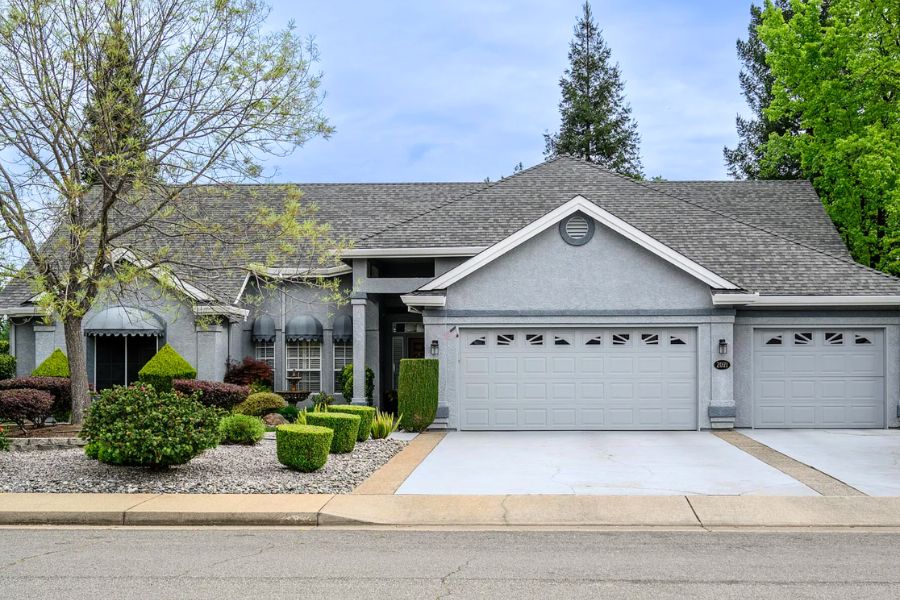
A past bankruptcy carries a weight that goes far beyond the financial damage it caused at the time. Many Redding residents who navigated a Chapter 7 or Chapter 13 filing in the aftermath of a medical crisis, a small business failure, a divorce, or the 2008 housing collapse have spent years believing that homeownership is permanently off the table. The truth is significantly more encouraging than most people realize. Mortgage programs have specific, predictable waiting periods after bankruptcy, and once those periods are satisfied along with reasonable credit rebuilding requirements, post-bankruptcy borrowers can absolutely qualify for the same loan products as anyone else. Understanding exactly when each loan program becomes available, what re-established credit actually means in practice, and which compensating factors strengthen your application can turn a past bankruptcy from a permanent barrier into a temporary delay.
Understanding the Difference Between Chapter 7 and Chapter 13 Bankruptcy
Before diving into mortgage rules, it helps to understand the fundamental difference between the two main types of consumer bankruptcy because the mortgage industry treats them very differently. Chapter 7 bankruptcy, often called liquidation bankruptcy, discharges most unsecured debts without a repayment plan. The process typically takes three to six months from filing to discharge, and once it is complete, the discharged debts are essentially erased. The U.S. Courts overview of Chapter 7 bankruptcy explains the eligibility requirements and process in detail.
Chapter 13 bankruptcy is fundamentally different. Instead of discharging debts immediately, it sets up a court-supervised repayment plan that typically lasts three to five years. Borrowers make monthly payments to a trustee who distributes the funds to creditors according to the approved plan. At the end of the repayment period, any remaining qualifying debts are discharged. The U.S. Courts overview of Chapter 13 bankruptcy walks through how the repayment plan works.
The mortgage industry takes the view that Chapter 13 demonstrates a higher level of financial responsibility because the borrower committed to repaying debts rather than walking away from them. This is why Chapter 13 waiting periods are generally shorter than Chapter 7 waiting periods, and why some loan programs even allow buying a home during an active Chapter 13 plan. A skilled Redding mortgage lender can help you understand exactly where you stand based on your specific bankruptcy type and timeline.
FHA Loan Waiting Periods After Chapter 7 and Chapter 13 Bankruptcy
FHA loans are typically the most forgiving option for post-bankruptcy borrowers and often represent the fastest path back to homeownership. The official rules come from the U.S. Department of Housing and Urban Development, and they are clear about the waiting periods involved. The HUD Single Family Housing Handbook 4000.1 contains the detailed requirements that all FHA-approved lenders must follow.
For Chapter 7 bankruptcy, FHA requires a two-year waiting period from the discharge date, not the filing date. This distinction matters because the discharge typically happens several months after the filing. Borrowers must also demonstrate that they have re-established good credit during the waiting period or had no new credit obligations. In specific cases involving documented extenuating circumstances, the waiting period can be reduced to twelve months, though approval under this exception requires substantial documentation and is not common.
For Chapter 13 bankruptcy, FHA rules are remarkably accommodating. Borrowers can potentially qualify for an FHA loan after just twelve months of on-time payments under the court-approved repayment plan, even before the bankruptcy is fully discharged. This requires written permission from the bankruptcy trustee or court, satisfactory payment history during the plan, and a detailed explanation of the circumstances that led to the bankruptcy. Once the Chapter 13 is fully discharged, there is no additional FHA waiting period at all. For Redding buyers looking at FHA loans in Redding, this Chapter 13 flexibility can dramatically accelerate the path to ownership.
VA Loan Bankruptcy Rules for Eligible Veterans in Redding
VA loans offer some of the most favorable terms in the industry for eligible veterans, active-duty service members, and certain surviving spouses, and the bankruptcy waiting periods are competitive with FHA rules. The VA Lenders Handbook on the U.S. Department of Veterans Affairs site provides the detailed guidance that approved VA lenders follow.
The basic VA waiting periods break down as follows:
- Chapter 7 bankruptcy: Two years from the discharge date, with documentation of re-established credit
- Chapter 13 bankruptcy: Twelve months of on-time payments under the repayment plan, with trustee approval
- Chapter 13 discharge: No additional waiting period required after successful discharge
- Extenuating circumstances: Possible reduction of the Chapter 7 waiting period to twelve months with strong documentation
What makes VA loans particularly attractive for eligible borrowers is the combination of these reasonable waiting periods with the program’s other benefits: zero down payment options, no monthly mortgage insurance, and competitive interest rates. Veterans who navigated bankruptcy after deployment, service-related injuries, or transition difficulties often find that VA loans provide the most accessible path forward. Reviewing VA loan options for veterans in Redding with a knowledgeable lender helps you understand exactly how your situation fits the eligibility requirements.
Conventional Loan Waiting Periods Are Longer But Reachable
Conventional loans backed by Fannie Mae and Freddie Mac apply longer waiting periods than government-backed programs, which reflects their different risk profile. The standard waiting periods are well-defined and predictable, which actually helps buyers plan their timeline with precision.
For a Chapter 7 or Chapter 11 bankruptcy, Fannie Mae requires a four-year waiting period from the discharge date. This is twice as long as the FHA waiting period and reflects the more conservative approach of the conventional market. The Fannie Mae Selling Guide on bankruptcy waiting periods outlines the full requirements. The waiting period can be reduced to two years with documented extenuating circumstances, though again, this exception is narrowly applied.
For Chapter 13 bankruptcy, conventional loans require two years from the discharge date or four years from the dismissal date if the repayment plan was not completed successfully. The distinction between discharge and dismissal matters enormously here. A successful Chapter 13 that runs through to discharge is treated more favorably than a Chapter 13 that was dismissed before completion, which often happens when borrowers cannot maintain the payment plan. Buyers considering conventional mortgages in Redding CA need to know exactly which discharge date or dismissal date applies to their specific case.
USDA Loan Bankruptcy Rules for Rural Redding Area Buyers
USDA loans serve eligible rural and semi-rural buyers, which makes them genuinely relevant for many parts of Shasta County including areas around Cottonwood, Palo Cedro, Igo, Ono, and the rural fringes of Redding itself. The USDA Rural Development Single Family Housing Guaranteed Loan Program follows specific bankruptcy guidelines that fall between FHA and conventional in terms of restrictiveness.
For Chapter 7 bankruptcy, USDA requires a three-year waiting period from the discharge date. Borrowers must demonstrate re-established credit and provide documentation of the circumstances that led to the filing. For Chapter 13 bankruptcy, USDA allows qualification after twelve months of on-time payments under the repayment plan with court approval, similar to the FHA approach. After Chapter 13 discharge, no additional waiting period is required.
USDA loans are particularly valuable for rural Redding buyers because they offer zero down payment options on eligible properties, which can make homeownership accessible even when post-bankruptcy savings are limited. Exploring USDA loans for the Redding area with a knowledgeable lender helps you understand which properties qualify and whether your timeline fits the program requirements.
What Re-Established Credit Actually Means in Practice
Every loan program requires borrowers to demonstrate re-established credit after bankruptcy, but the term is sometimes vague in conversation. Lenders are looking for specific evidence that you have rebuilt a responsible credit pattern in the years since your bankruptcy was discharged. This is not just about your credit score, though score does matter, it is about the underlying pattern of credit usage that the score reflects.
Specific evidence of re-established credit that lenders look for includes:
- At least three active credit accounts that have been open for a meaningful period, typically twelve to twenty-four months
- A clean payment history since the bankruptcy discharge, with no thirty-day or longer late payments
- Manageable credit utilization on revolving accounts, typically below 30 percent of available credit
- A mix of credit types, such as a secured credit card alongside an installment loan, rather than just one type
- No new collections, charge-offs, or derogatory events since the bankruptcy
- Stable employment and housing history showing consistent ability to meet financial obligations
- A credit score that has recovered into the qualifying range for your target loan program
The Consumer Financial Protection Bureau guidance on rebuilding credit provides practical advice for borrowers working through this process. Many post-bankruptcy buyers find that secured credit cards, credit-builder loans, and authorized user arrangements with family members all contribute meaningfully to rebuilding the credit profile. The earlier you start this work, the better positioned you will be when the waiting period ends.
Compensating Factors That Strengthen Post-Bankruptcy Mortgage Applications
Even when you meet the basic waiting period and re-established credit requirements, post-bankruptcy applications benefit enormously from compensating factors that demonstrate financial strength. Underwriters look at the whole picture, and a strong application can overcome residual concerns about past credit events.
The compensating factors that carry the most weight include:
- A larger down payment than the minimum required, often 10 percent or more even on FHA loans
- Significant cash reserves after closing, typically three to six months of mortgage payments held in liquid accounts
- Stable employment history with the same employer or in the same industry for at least two years
- A debt-to-income ratio well below program maximums, leaving room for the new mortgage payment
- A documented increase in income since the bankruptcy, showing improved financial capacity
- No new derogatory credit events in the years since discharge
- A clear written explanation of the circumstances that led to the bankruptcy and what has changed since
Bankruptcies tied to specific, well-documented life events like a medical crisis, a job loss followed by stable re-employment, or a divorce often look better to underwriters than bankruptcies that appear to stem from chronic financial mismanagement. A clear, honest letter of explanation included with your application gives underwriters context that the credit report alone cannot provide.
Non-Traditional Mortgage Options for Faster Post-Bankruptcy Buying in Redding
For buyers who cannot wait two to four years for traditional waiting periods to expire, non-traditional mortgage programs sometimes offer faster paths to homeownership. These products operate outside the standard Fannie Mae, Freddie Mac, FHA, VA, and USDA frameworks, which gives them flexibility in how they treat bankruptcies.
Some non-QM and portfolio loan programs allow buyers to apply as soon as the bankruptcy is discharged, sometimes with no specific waiting period beyond the discharge itself. These programs typically require:
- Larger down payments, often 15 to 25 percent or more
- Higher interest rates than conventional or government-backed loans
- Strong cash reserves demonstrating financial cushion
- Clean payment history since the bankruptcy discharge
- Higher credit scores than the minimum that would otherwise apply
- Detailed documentation of the circumstances surrounding the bankruptcy
The tradeoff is real. You pay more in down payment and interest in exchange for faster access to homeownership. For some buyers, particularly those who want to stop renting in a market where rents are rising quickly, the math works out favorably even at the higher cost. Exploring non-traditional mortgage options with a lender who handles these products regularly helps you understand whether the accelerated timeline is worth the additional cost in your specific situation.
How Different Bankruptcy Causes Affect Lender Perception
Lenders do read the explanation letters that accompany post-bankruptcy applications, and the underlying cause of the bankruptcy genuinely affects how the application is evaluated. Some causes are viewed more sympathetically than others, and providing context about your specific situation can meaningfully influence the outcome.
Causes that lenders generally view more favorably include:
- Significant medical events that generated overwhelming medical debt, particularly when health insurance gaps were involved
- Job loss followed by extended unemployment, particularly during recessions or industry contractions
- Divorce that resulted in joint debts being assigned to a former spouse who failed to pay
- Business failure that resulted in personal liability for business debts
- Natural disaster impacts that overwhelmed financial resources
- Death of a primary income earner in the household
Causes that may invite more scrutiny include chronic overspending without clear external triggers, multiple bankruptcies over time, and bankruptcies that included strategic walk-aways from real estate or other secured debts. None of these automatically disqualify a buyer, but they require more thorough explanation and stronger compensating factors. Working with a mortgage advisor in Redding CA who can help craft a clear explanation letter and identify the right compensating factors makes a real difference in how your application is received.
Frequently Asked Questions About Buying a Home in Redding After Bankruptcy
How Long Do You Have to Wait to Buy a House After Chapter 7 Bankruptcy
The waiting period depends on the loan type. FHA loans require two years from the discharge date. VA loans for eligible veterans require two years. USDA loans require three years. Conventional loans typically require four years, though it can be reduced to two with documented extenuating circumstances. Each program also requires evidence of re-established credit during the waiting period.
Can You Buy a House During an Active Chapter 13 Bankruptcy
Yes, you can potentially buy a house during an active Chapter 13 bankruptcy under specific loan programs. FHA, VA, and USDA all allow qualification after twelve months of on-time payments under the court-approved repayment plan, provided the bankruptcy trustee and court approve. Conventional loans typically require waiting until the bankruptcy is discharged or dismissed. The specific path depends on your loan type and individual circumstances.
What Credit Score Do You Need After Bankruptcy to Get a Mortgage
The minimum credit score depends on the loan program. FHA loans accept scores as low as 580 with a 3.5 percent down payment, or down to 500 with a 10 percent down payment. VA loans do not have a fixed minimum but most lenders look for 620 or higher. USDA generally requires 640 or higher. Conventional loans, after Fannie Mae’s November 2025 removal of the hard 620 floor, now have more flexibility, though most lenders still prefer 620 and pricing improves substantially above 680.
Does the Bankruptcy Type Affect Mortgage Approval Differently
Yes, lenders generally view Chapter 13 more favorably than Chapter 7 because Chapter 13 involves a structured repayment plan that demonstrates financial responsibility. This is why Chapter 13 waiting periods are shorter and why some buyers can qualify for a mortgage even during an active Chapter 13. Chapter 7 is treated as a clean break that requires more time to demonstrate restored financial stability.
What Compensating Factors Help Post-Bankruptcy Mortgage Approval
Strong compensating factors include a larger than minimum down payment, significant cash reserves after closing, stable employment for at least two years, a low debt-to-income ratio, a documented increase in income since the bankruptcy, and a clear written explanation of the circumstances surrounding the filing. These factors help underwriters see the whole picture beyond the credit report itself.
Building a Smart Mortgage Plan for Post-Bankruptcy Redding Buyers
A past bankruptcy does not have to define your financial future, and it certainly does not have to keep you out of the Redding housing market permanently. The buyers who navigate this journey best are the ones who understand exactly where they stand in the waiting period timeline, work intentionally on credit rebuilding during the waiting period, and connect with a knowledgeable lender well before they are eligible to apply. Six to twelve months of conversations with the right advisor before you reach your eligibility date gives you time to position your application as strongly as possible. Whether your path forward runs through an FHA loan, a VA loan if you are an eligible veteran, a USDA loan in a rural area, a conventional loan once your waiting period is satisfied, or a non-traditional program that lets you move faster at a higher cost, the right strategy depends on your specific circumstances. Chris Lamm and the team at Team Lamm | MortgageOne, Inc. work regularly with Redding buyers rebuilding after bankruptcy and approach these situations with patience, clarity, and zero judgment. If you are considering a home purchase in Redding, Shasta County, or anywhere in the surrounding area, reach out to Chris at 530-282-1166 or visit the office at 970 Executive Way in Redding to map out your post-bankruptcy path forward.