Buying a home
First-Time Homebuyer in California: the Actual Process
Short answer
A first-time home purchase in California is a mortgage-financed purchase that requires verified income, credit, and cash for a down payment and closing costs. The process generally moves from preapproval to home search, offer, underwriting, and closing, with escrow deadlines and recording before ownership changes.
Chris Lamm, NMLS# 209221Published Last reviewed
What does buying your first home in California actually involve?
The order matters more than people think. Get your financing reviewed first, then shop. Buyers who fall in love with a house before they know what they qualify for end up negotiating under pressure, and pressure is where bad decisions live.
Here is the sequence I walk my own clients through. First, a real conversation about income, credit, and savings. Second, a verified preapproval, meaning your documents have actually been reviewed, not just a form you filled out online. Third, shopping with a realtor inside a budget you have already stress-tested. Fourth, an offer, and in California that usually means an escrow period with named contingency deadlines. Fifth, underwriting, appraisal, and inspections running in parallel. Sixth, signing, funding, and recording. When the county records the deed, the home is yours.
None of these steps is hard on its own. What makes first purchases stressful is doing them out of order or on someone else's timeline.
How much money do I actually need?
Less than you probably think for the down payment, and more than you probably think for everything else. The idea that you need twenty percent down is the single most persistent myth in home buying. Twenty percent avoids mortgage insurance on a conventional loan, but it has never been the minimum. Several programs allow low down payments for qualifying first-time buyers, and eligible veterans can often buy with no down payment at all.
What buyers underestimate is the cash beyond the down payment. Closing costs cover lender fees, escrow and title, prepaid property taxes and insurance. You will also want reserves left over after closing. A lender who lets you drain every account to close is not doing you a favor.
One number worth knowing: the 2026 baseline conforming loan limit is $832,750. Loans at or under that limit fit standard conventional guidelines. Above it, you are in jumbo or high-balance territory, where down payment and reserve requirements are typically stricter. In many California markets that limit is a real consideration, not a footnote.
What is the difference between prequalification and preapproval?
A prequalification is an estimate based on what you tell a lender. A preapproval is a decision based on what the lender has verified. In a competitive California offer, only the second one carries weight, because the listing agent knows the difference too.
A verified preapproval means someone has reviewed your pay stubs or tax returns, pulled credit, and run your file against actual guidelines. It takes a little longer up front. It also means that when you write an offer, the financing behind it is real, your escrow can move quickly, and the surprises that kill deals in week three get found in week zero instead.
Which loan programs work for first-time buyers in California?
There is no single first-time buyer loan. There are several programs, and the right one depends on your credit profile, your savings, your military service, and the price range you are shopping in. The comparison below is a starting point, not a verdict. The verdict comes from running your actual numbers.
First-time buyer programs at a glance
| Program | Down payment | Best fit | Worth knowing |
|---|---|---|---|
| Conventional | Low down payment options for qualifying first-time buyers | Solid credit and stable income | Mortgage insurance can be removed once you build enough equity |
| FHA | Low minimum down payment | Thinner credit files or higher debt ratios | Mortgage insurance usually stays for the life of the loan at minimum down |
| VA | No down payment required for eligible borrowers | Veterans, active-duty service members, some surviving spouses | No monthly mortgage insurance; a one-time funding fee applies for most |
| CalHFA and local assistance | Down payment help layered onto a first mortgage | Buyers who qualify on income but are short on cash | Income limits apply and program funding changes; verify current availability |
What happens between an accepted offer and closing?
Escrow opens, and three tracks run at once. The lender track: underwriting reviews your full file, orders the appraisal, and issues an approval with conditions, which are simply the remaining items to document. The property track: home inspection, pest inspection if applicable, and review of the seller disclosures California requires. The title track: the title company confirms the seller can deliver clean ownership.
Your contract contingencies are your protection during this window. Until you remove them, you can typically exit with your deposit intact if the inspection, appraisal, or financing turns up a problem. Do not remove a contingency as a courtesy. Remove it when the underlying question is actually answered.
The finish is mechanical: final walkthrough, signing with a notary, the lender funds, and the county records. Recording is the moment you own the home, and in most California counties it happens the business day after funding or the same day.
What mistakes should I avoid?
Almost every first-purchase problem I have seen in 25 years falls into one of five buckets.
- Opening new credit or financing furniture and a car between preapproval and closing. Your credit and debts are checked again before funding.
- Changing jobs mid-escrow without talking to your lender first. Some changes are fine. Some restart the income clock.
- Moving money between accounts without a paper trail. Underwriters must source large deposits, and undocumented transfers slow everything down.
- Waiving the inspection to win the offer. There are safer ways to be competitive, starting with a fully underwritten preapproval.
- Buying at the absolute top of your approval. Qualifying for a payment and living comfortably with it are different questions. Answer the second one.
The common thread: keep your financial picture boring from preapproval to closing, and ask before you act. A two-minute call to your lender prevents most of this list.
Rates and terms subject to change without notice. Not a commitment to lend. Not available in all states. This is not tax, legal, or financial advice. Consult a qualified professional for your specific situation.
What questions do first-time California buyers ask?
How long does it take to buy a house in California?
Plan on a few weeks of preparation and preapproval, however long the house hunt takes, and then a typical escrow of roughly thirty to forty five days from accepted offer to keys. Well-prepared files can close faster. The variable you control is preparation before you shop.
Do I need twenty percent down?
No. Twenty percent down avoids mortgage insurance on a conventional loan, but it is not a minimum. Multiple programs allow much smaller down payments for qualifying buyers, and eligible veterans can often buy with none. The right down payment balances your monthly budget against keeping cash reserves after closing.
Will checking my loan options hurt my credit?
A full preapproval involves a credit pull, and a single mortgage inquiry has a small, temporary effect. Credit scoring models also treat multiple mortgage inquiries inside a short shopping window as one event, so comparing lenders properly does not stack up damage.
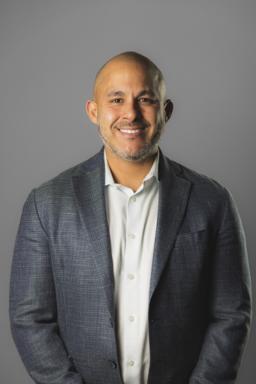
Written by Chris Lamm
Senior Loan Advisor and Branch Manager, MortgageOne Inc. NMLS# 209221. 25 years in mortgage lending, 6,000 families served.
Want the answer for your specific situation?
A guide covers the general case. Your file is a specific one. Bring me the details and I will give you a straight answer, including when the answer is no.
The Friday market email.
One email. What moved this week and what it means for your buyers. Written for agents.